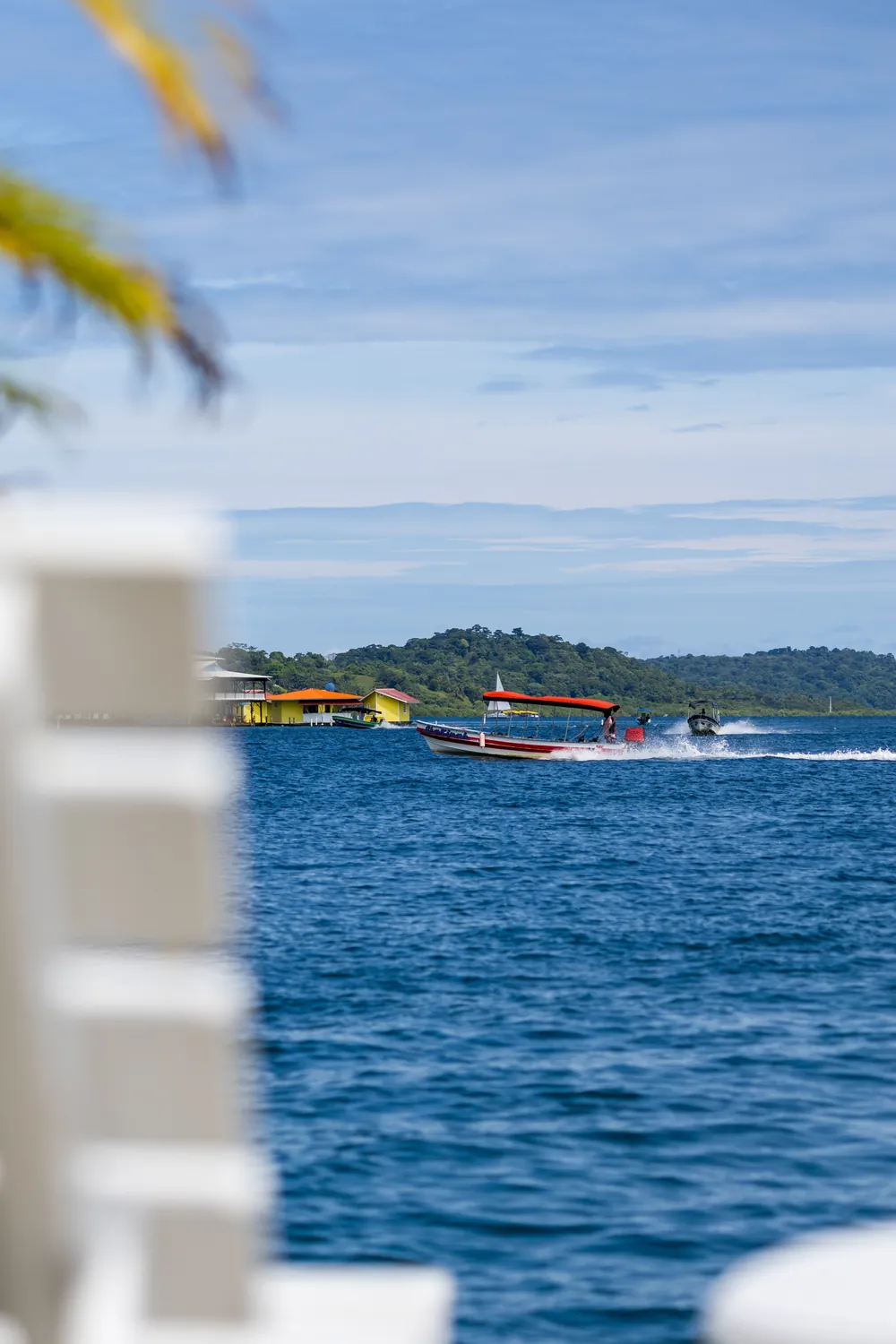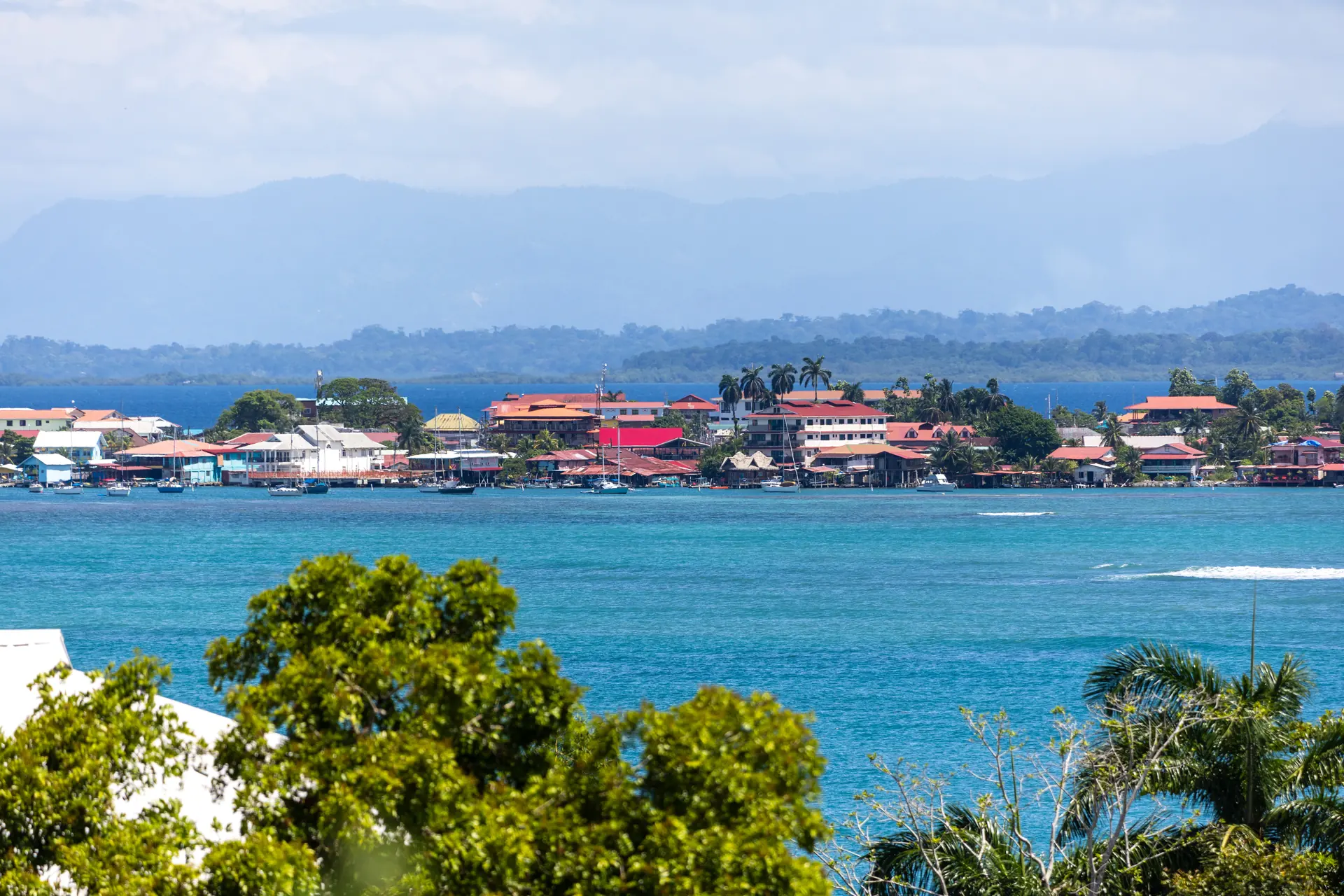
Bocas Town across the water, with trees in front

TRAVEL GUIDE

Everything you need to know before you arrive in Bocas.

Explore rainforest islands, coral reefs and secluded beaches in the archipelago

Bocas del Toro is an archipelago of tropical rainforest islands in the Caribbean Sea, off the northwest coast of Panama near the border with Costa Rica. The islands are known for their rich biodiversity, Afro-Caribbean heritage and vibrant nightlife.

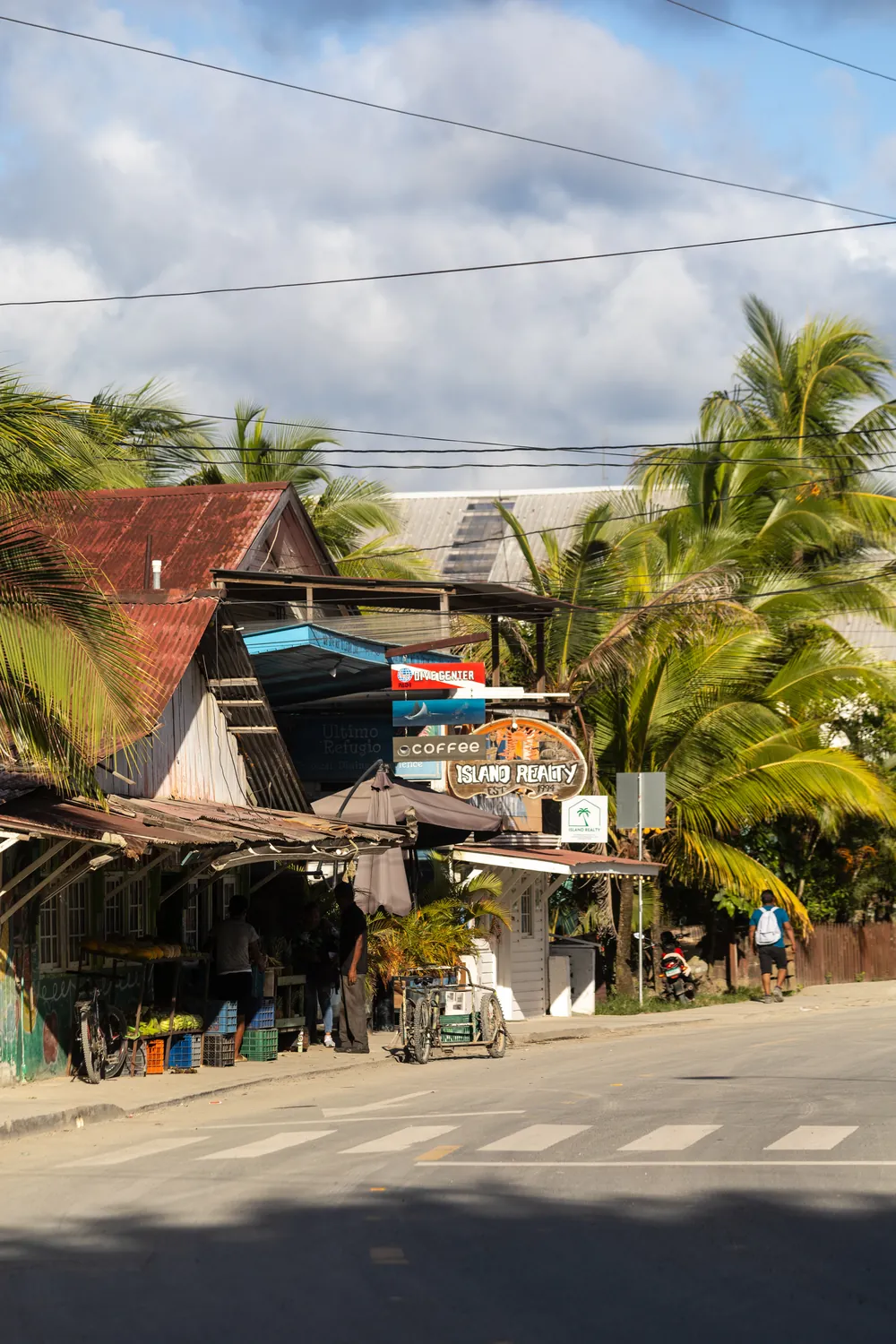
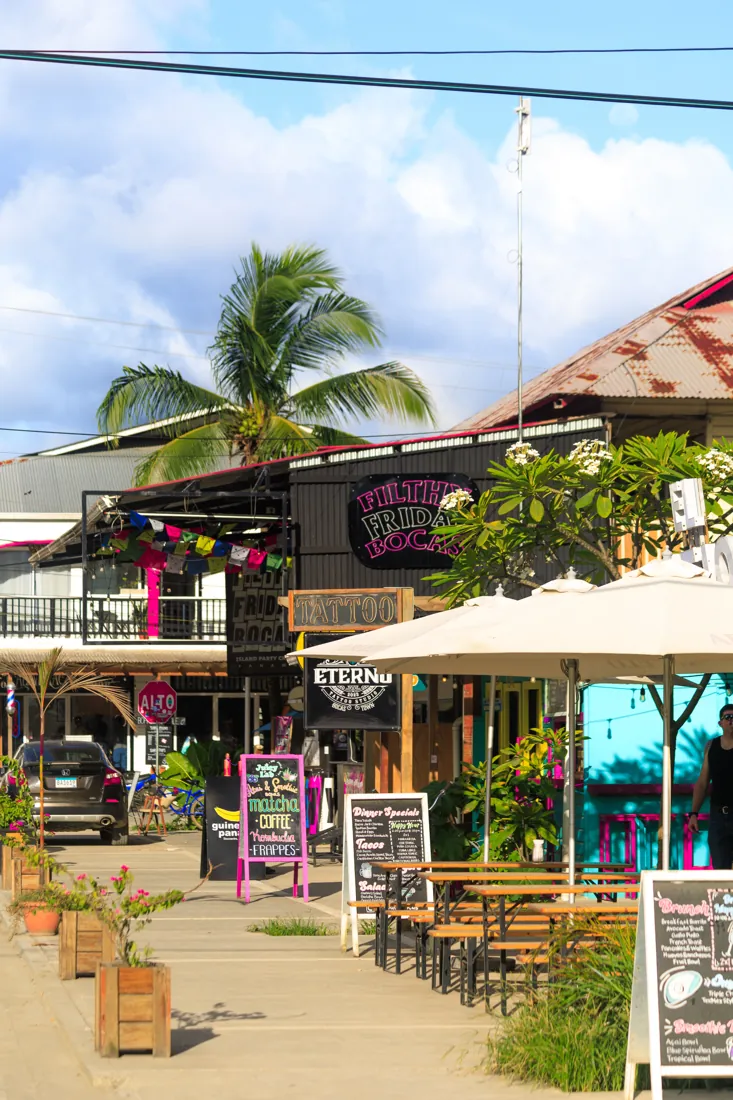
Visit Bocas Town to see the colorful Caribbean architecture, sample the food scene or join a history walking tour. Nightlife ranges from laid-back local bars to Filthy Friday, the famous Central American day party. Whatever the plan, be sure to try the local pineapple and a glass of Panamanian rum.

Explore the jungles of Isla Colón by e-bike or ATV and see the several species of monkeys and sloths that live in the treetops. For a more intimate experience, sail the Caribbean Sea on a private catamaran or take a guided tour of the archipelago's best beaches.

For the adventure seekers, surf the breaks at Bluff Beach, snorkel the clear waters around the Zapatilla Cays or dive the coral reefs. On a slower day, join a yoga class or relax at a beach club along the coast. Looking for something different? Take a baseball tour on the mainland during the season and see why baseball is a national passion.

Few destinations offer this much variety in such a small area. Rainforest, reefs and quiet beaches are all within minutes of one another by boat, making the islands just as suited to nature lovers as to groups planning a celebration. A morning of wildlife watching can easily lead into an evening of dinner and drinks in town.

Experiencing all that Bocas del Toro offers in one trip is difficult without local help. We plan each day around the islands, the weather and the guests. Get in touch to start planning.

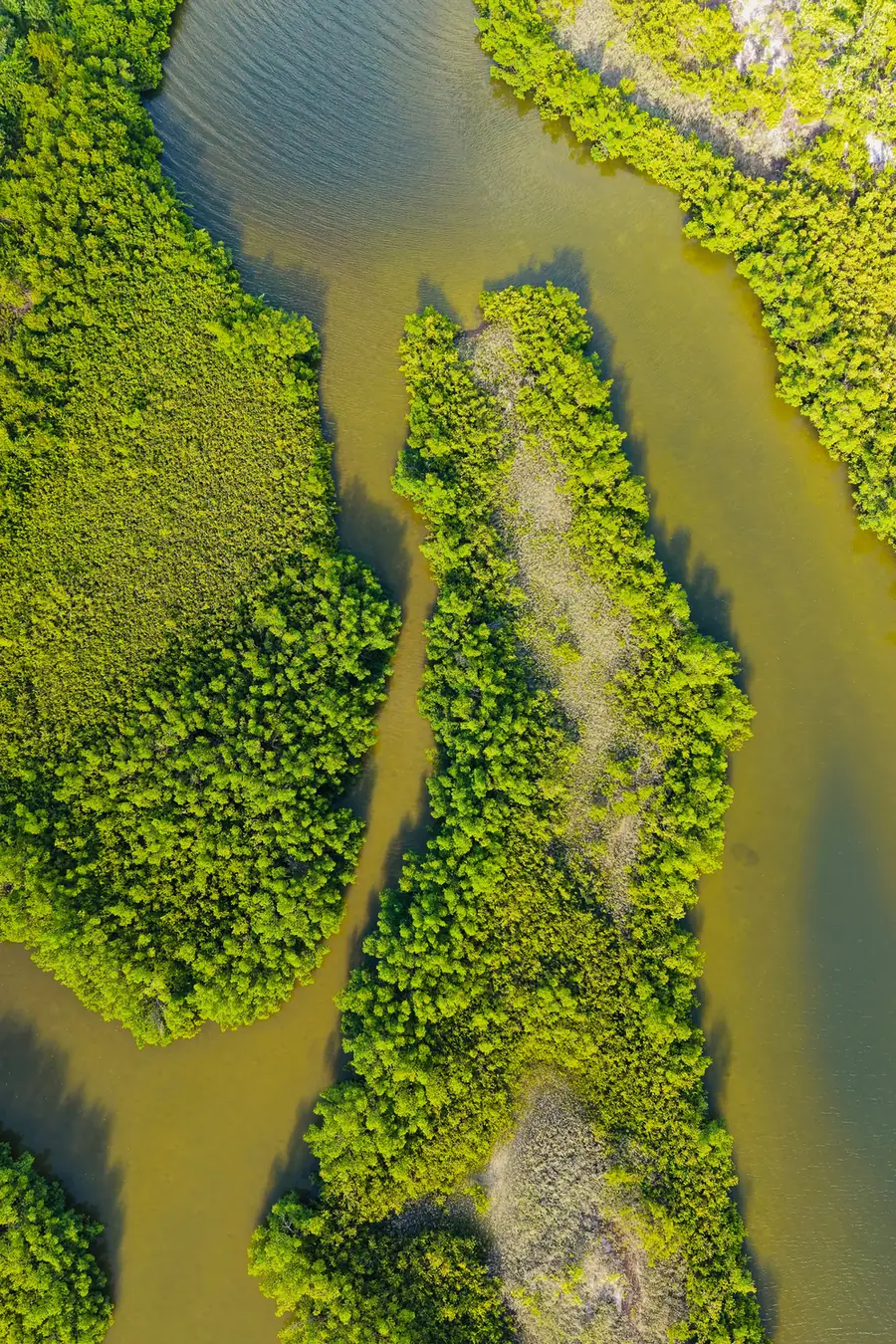
Aerial view of mangrove channels

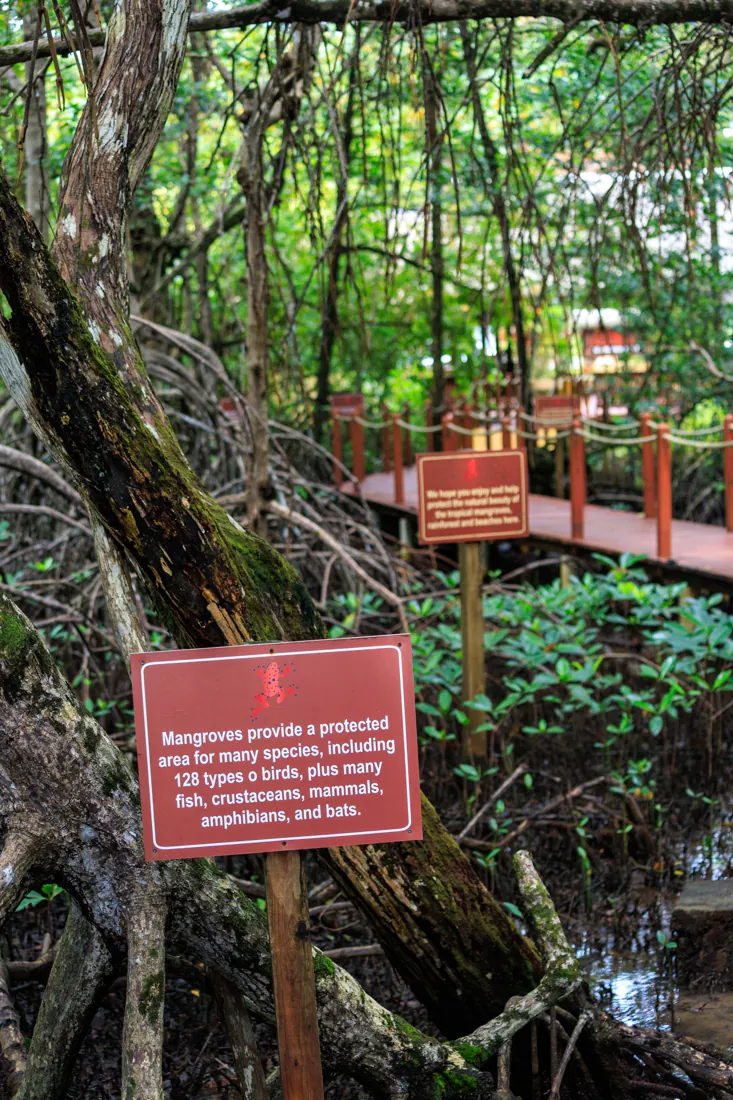
Between the islands, quiet mangrove channels are home to fish, birds and crabs.

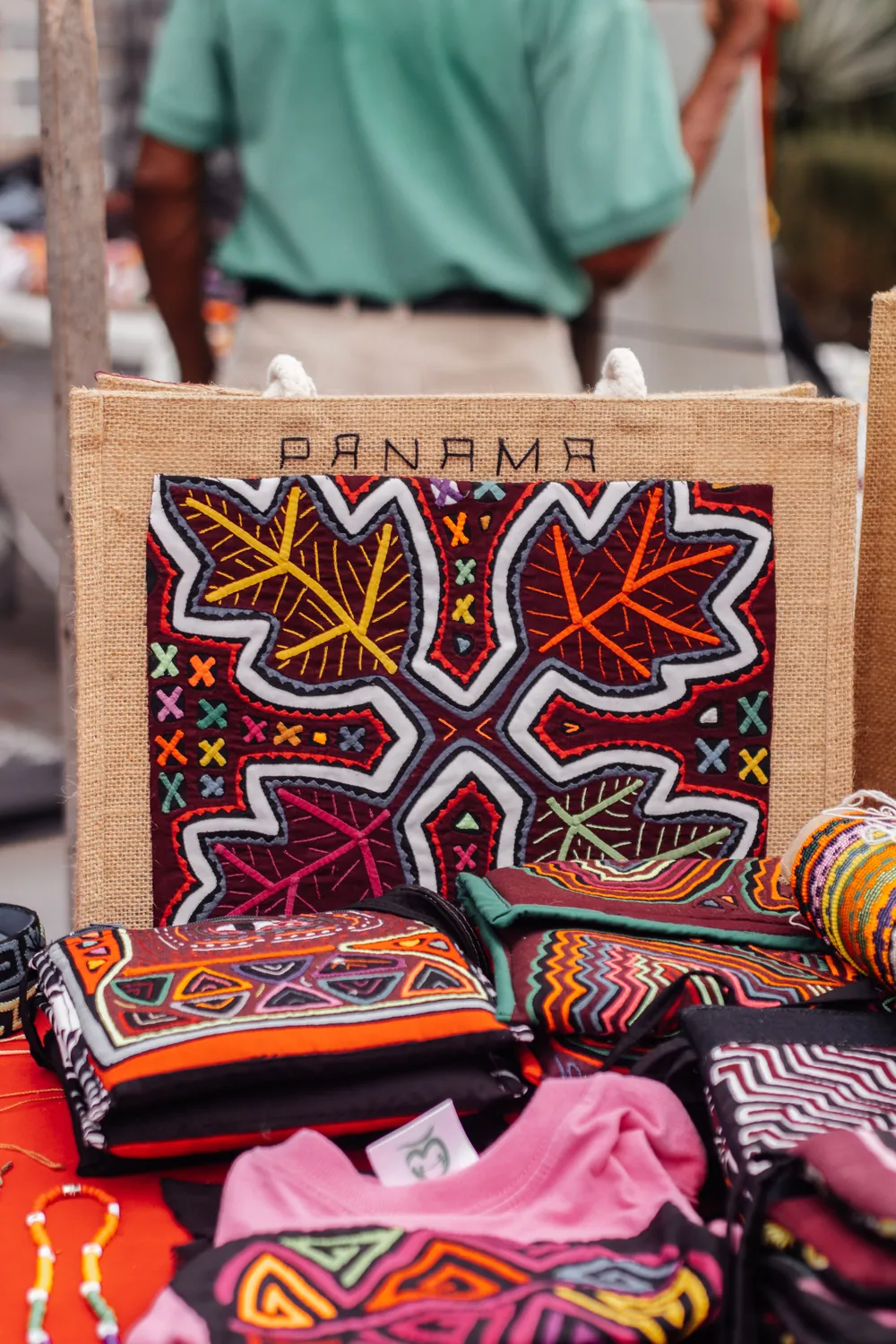
A handwoven bag and crafts from Panama

Panama's artisans are known for their colorful handwoven bags and crafts.

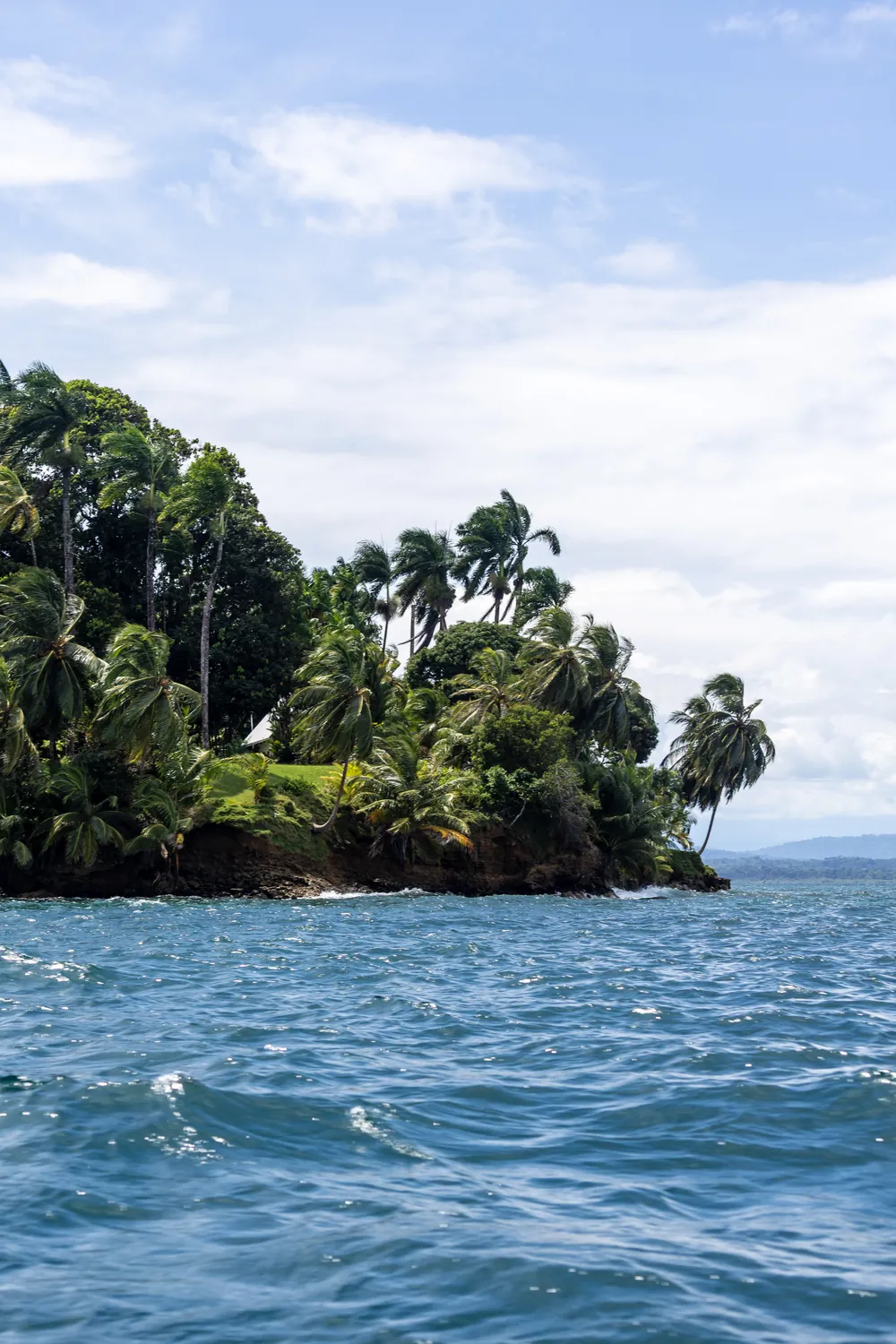
Clear water over the reef at Hospital Point, Isla Solarte

Hospital Point on the western tip of Isla Solarte is a popular snorkeling spot.

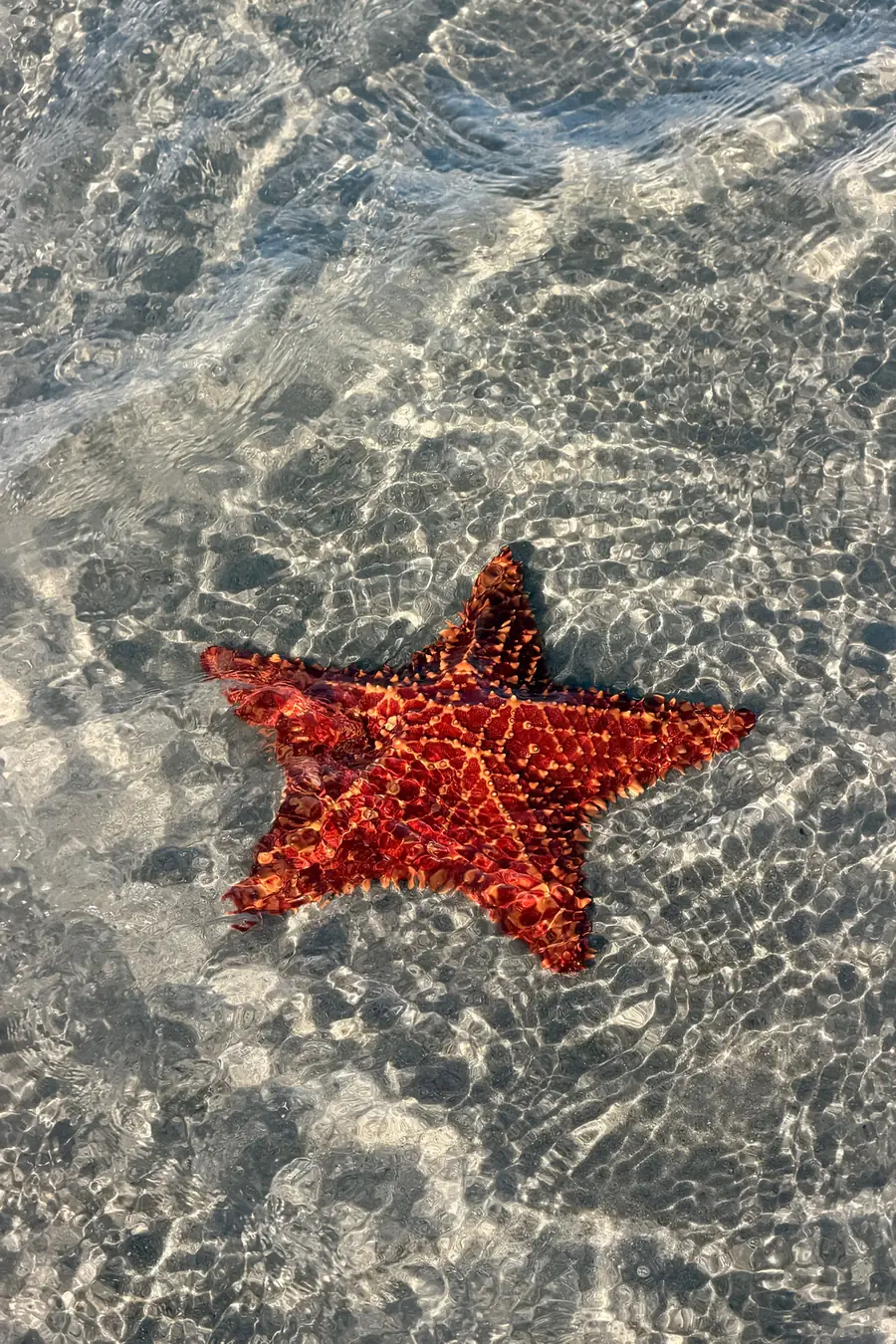
A red sea star in clear shallow water

Sea stars live in the shallow waters around the islands, and they're best left untouched.

A street corner in Bocas Town

Bocas Town is small enough to explore on foot or by bike.

Between the islands, quiet mangrove channels are home to fish, birds and crabs.

Guide to the archipelago

Five islands, each with its own pace.

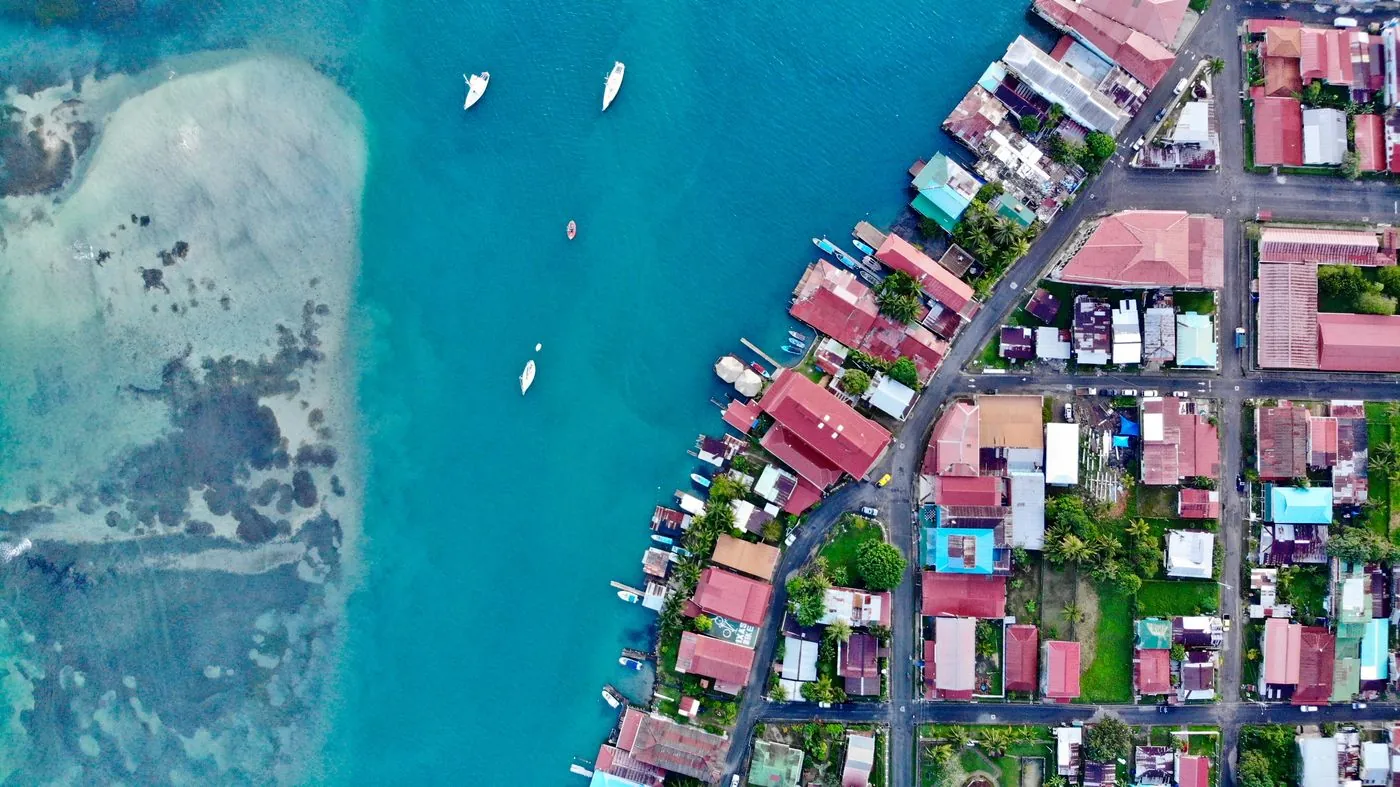
Bocas Town in Bocas del Toro

Bocas Town

The heart of the archipelago, on the southern tip of Isla Colón. The airport is here, so it's where most trips begin and end. It's also where you'll find most of the restaurants, bars, shops and tours, plus the water taxis to every other island. Staying in town keeps everything close, with the buzz of island life that comes with it. To get to know the town, join the free Bocas history walking tour by our sister company, Too Much Tours.
Isla Colón in Bocas del Toro

Isla Colón

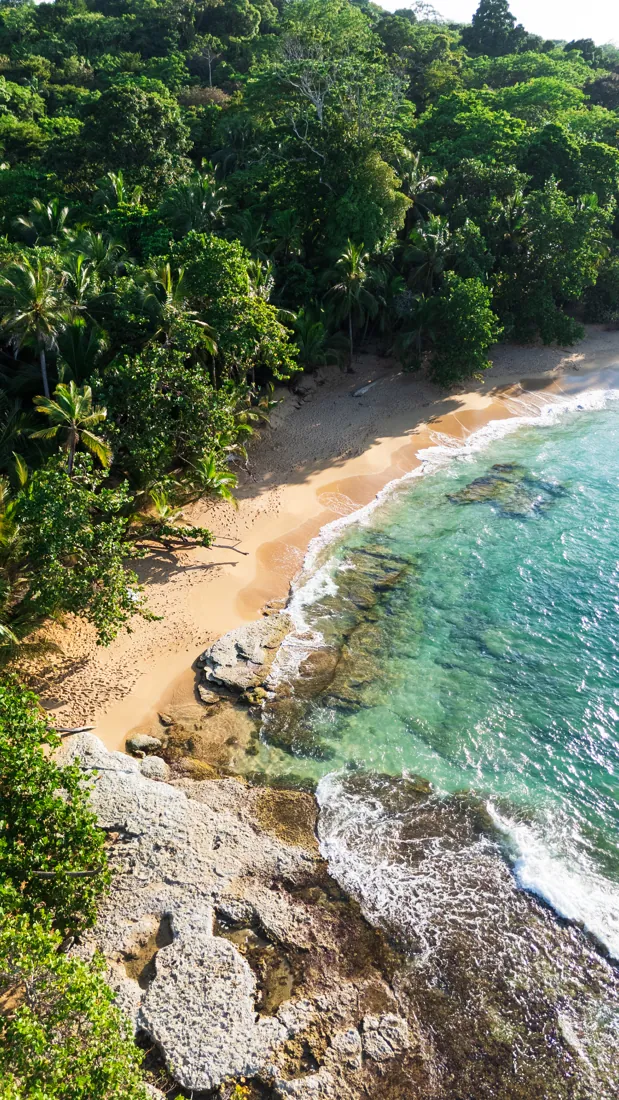
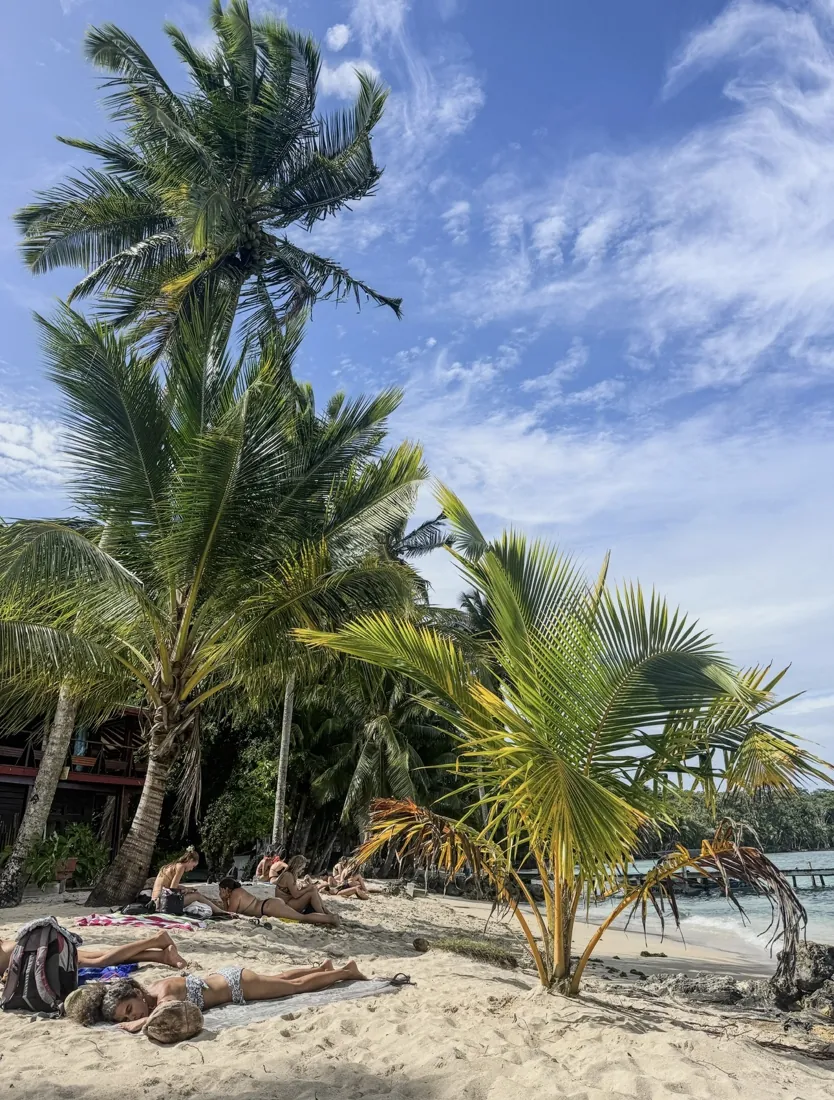
The main island of the archipelago and home to Bocas Town. Beyond town, the coast opens up to jungle hideaways and beachfront stays, where the soundtrack is waves instead of nightlife.

Isla Carenero in Bocas del Toro

Isla Carenero

Just a few minutes by water taxi from Bocas Town, but noticeably calmer. Carenero is small enough to explore on foot along its waterfront, with relaxed hotels, restaurants and easy places to swim, all with the Caribbean in view.

Isla Bastimentos in Bocas del Toro

Isla Bastimentos

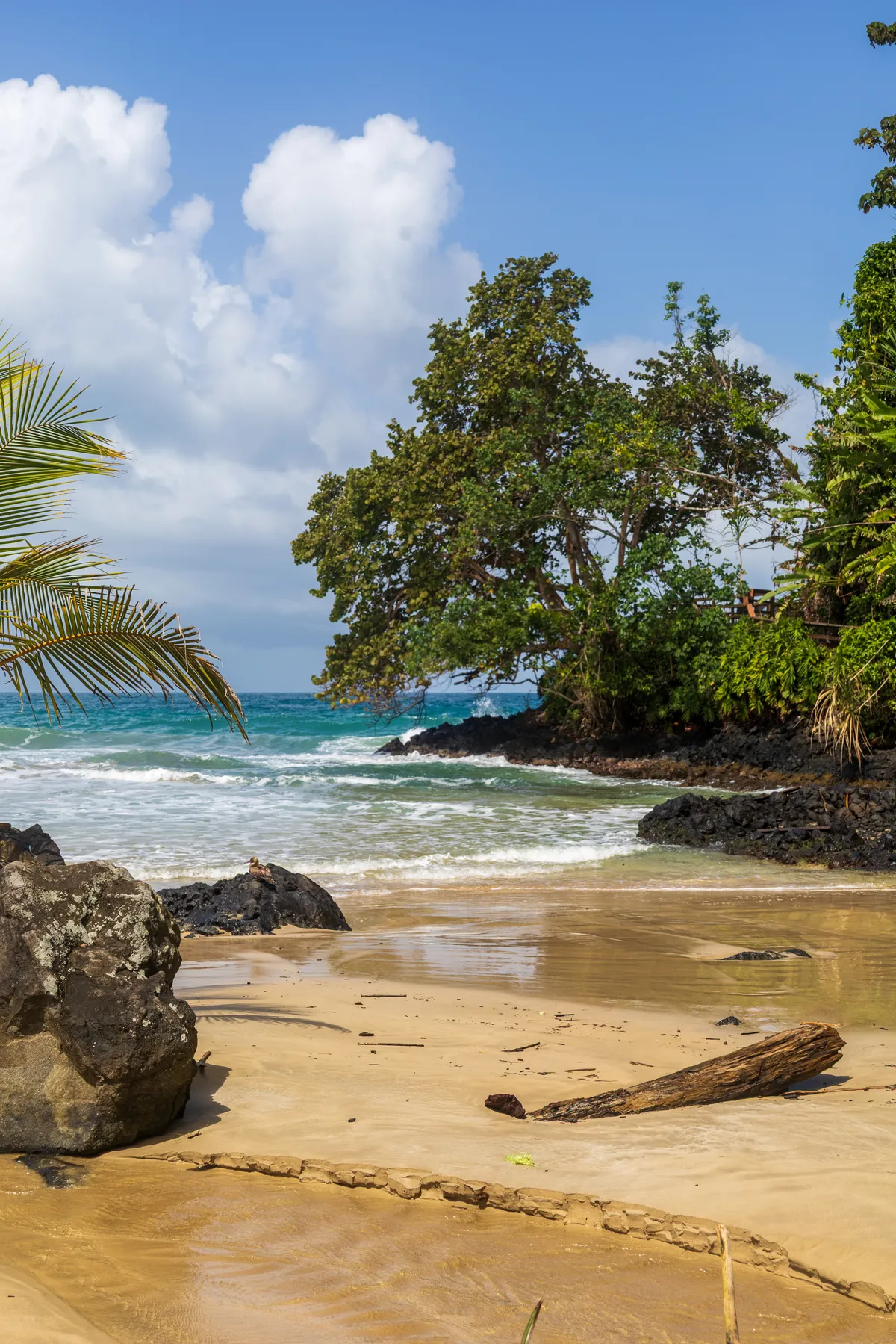
The wild side of Bocas: dense rainforest, mangroves, secluded beaches and wildlife, at a slower pace. It's home to Red Frog Beach and the colorful community of Old Bank. Even without staying overnight, it's worth a full day.

Isla Solarte in Bocas del Toro

Isla Solarte

One of the least developed islands in the archipelago, and the one to choose if you want to truly switch off. Dense jungle, clear water for snorkeling and diving, and a handful of over-the-water stays. Not much happens here, and that's the point.

Caribbean SeaBahíaAlmiranteBocas del ToroBocas Town
© OpenStreetMap contributors

When to Visit Bocas del Toro

There's no bad time to visit Bocas del Toro. The islands have a tropical rainforest climate, which means it's warm all year and, yes, it rains. Locals rarely check the forecast; they just step outside and make the most of the day. The busiest months run from January to April, when the surf is at its best and the islands are full of energy. The weather is unpredictable in any month, though mid-September through October tends to bring the most consistent sunshine. Whatever the season, we'll shape your trip around the rhythm of the islands, so the only thing left for you to do is enjoy it.

Surf season December – March and June – August
Island hopping Year round
Carnival February or early March
A beach in Bocas del Toro

What to pack

Bocas del Toro is close to the equator, and the sun is strong throughout the year, even on cloudy days. Reef-safe sunscreen is recommended to protect the coral reefs of the marine park.

Power outages are rare on the islands but do occur, so a charged power bank keeps phones and cameras running.

The climate is hot and humid year-round. Light, breathable fabrics are the most comfortable choice.

Currency is in US dollars (USD). Not every business accepts cards. Some restaurants and many small vendors in Bocas Town, especially late-night food stands, take cash only.

Mosquitoes are most common near the water around sunrise and sunset, and in the jungle.

Bocas del Toro has a tropical rainforest climate, with rain on most days. The rain is warm and usually brief, and a lightweight, packable rain jacket helps when it arrives.

Flip-flops are useful, but much of a trip takes place off the beach. Sneakers are a better choice for walking around town, joining tours or hiking in the jungle.

Most trips include time on the water, even if only on a water taxi. A dry bag, or a bag made of nylon or another water-resistant material, protects phones and valuables from rain and spray during boat rides.

Bottled water is sold in every convenience store in town, but many tours and excursions take place outside town, where stores are limited.

Bring any medication, preferred toiletries and specialty items for babies or children. Bocas Town has small supermarkets and a few pharmacies with basic supplies, but most stores are in town and may not carry specific brands.

EVENTS AND FESTIVALS

The celebrations that bring the islands together throughout the year.

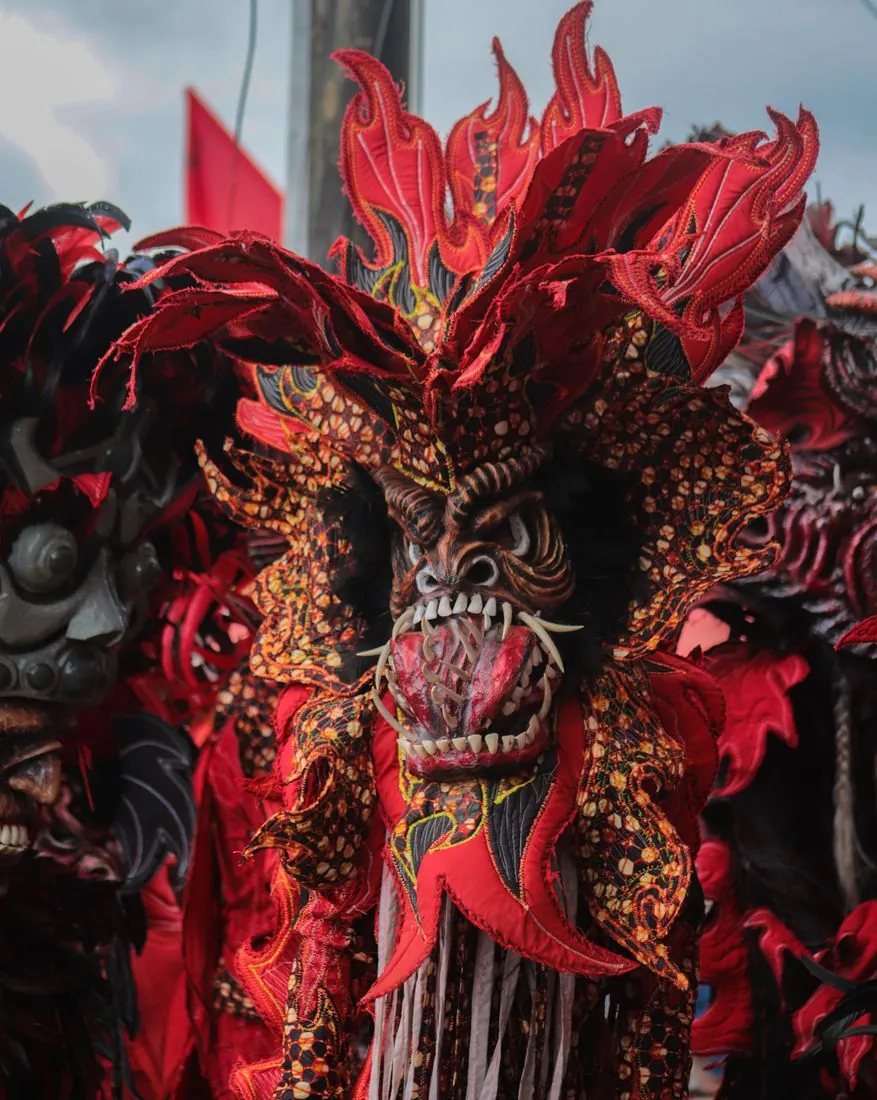
A masked diablo at Carnival in Bocas del Toro

February or early March

CARNIVAL

Parades, comparsas, live music and the diablos fill Bocas Town for four days. Stays and boats book up early.

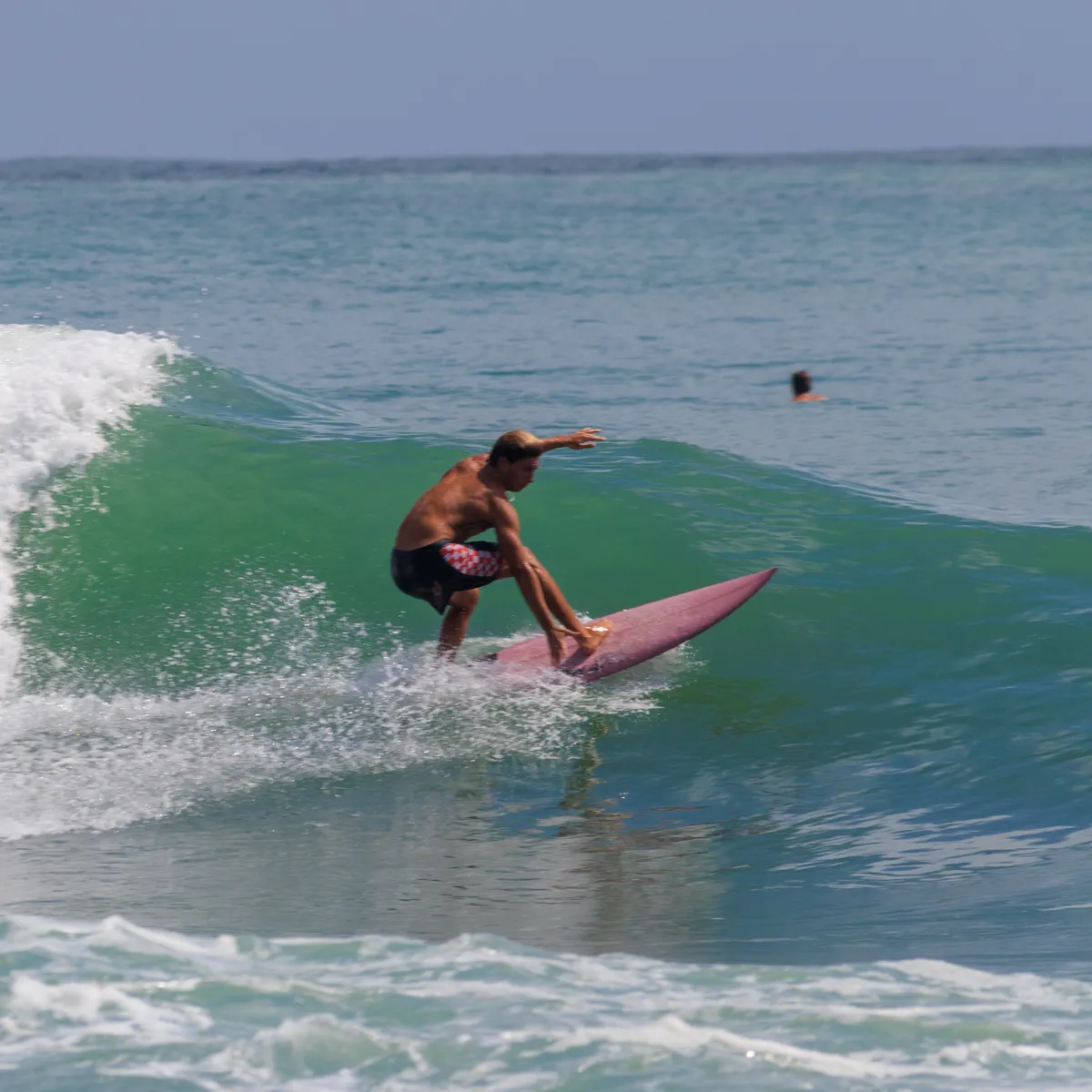
A surfer riding a wave in Bocas del Toro

December to March, and July

SURF SEASON

The biggest waves arrive from December to March, with a shorter swell in July.

November

NOVEMBER: NATIONAL HOLIDAYS

Parades, marching bands and flags on November 3, 4 and 5, and on Día de Bocas, November 16. Book early.

Parades, comparsas, live music and the diablos fill Bocas Town for four days. Stays and boats book up early.

The biggest waves arrive from December to March, with a shorter swell in July.

Parades, marching bands and flags on November 3, 4 and 5, and on Día de Bocas, November 16. Book early.

Follow for More Tips

Ready to buildyour trip?